
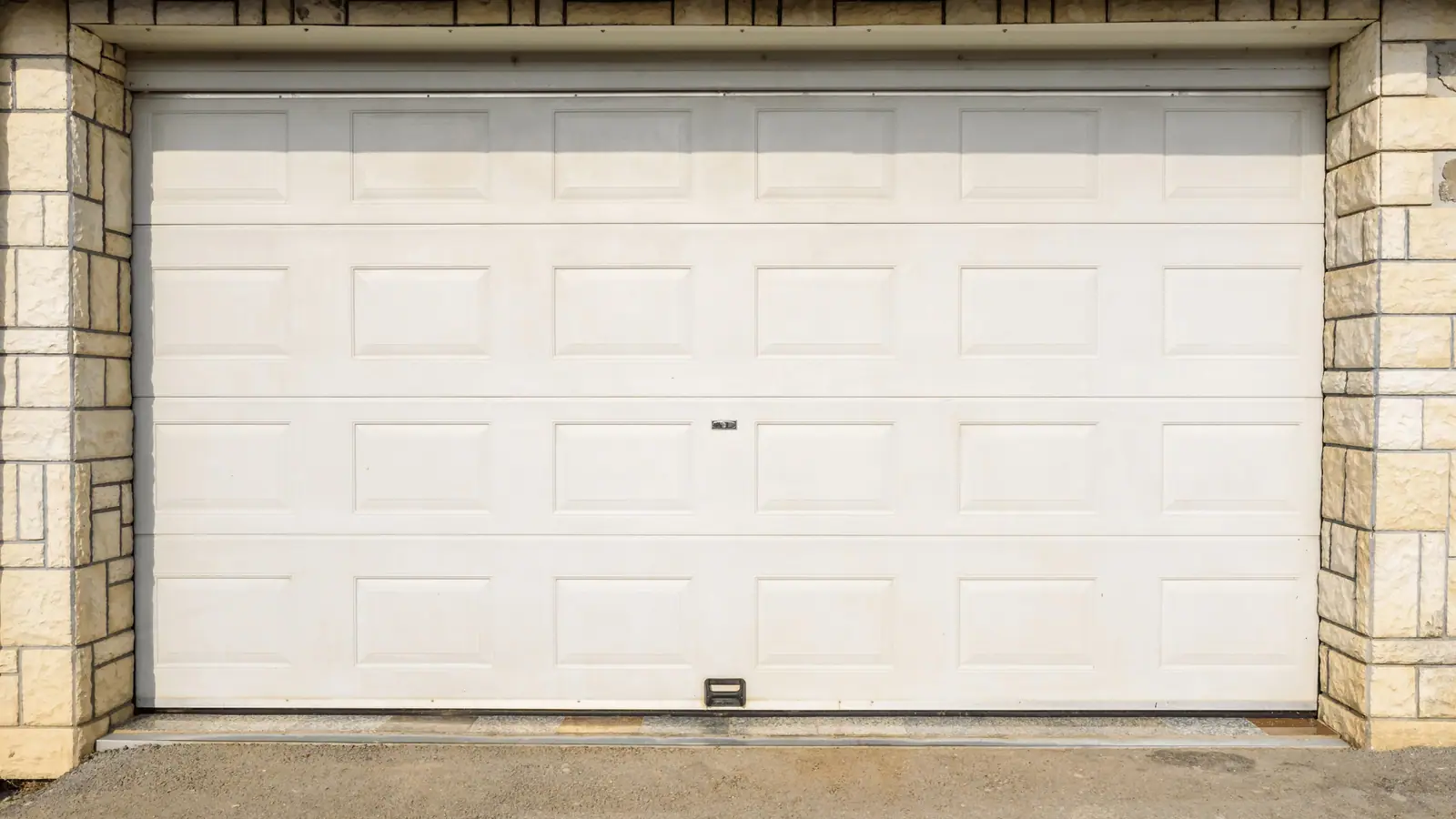
Most garage doors weigh far more than a person could comfortably lift all day. The springs do that work, balancing the door so an opener or a hand can raise it easily. Because they work hard every time the door moves, springs wear out.
Knowing the warning signs helps you act before a spring fails completely, and tells you when to stop using the door.
What garage door springs do
Most doors use either torsion springs, which are coiled and mounted on a bar above the door, or extension springs, which run alongside the horizontal tracks. Either type stores energy as the door closes and releases it as the door opens, which is why a well-balanced door feels light.
Signs a spring may be worn or broken
A loud bang from the garage
A sudden loud bang is a classic sign that a spring has broken under tension. Many people only find the problem the next time they try to open the door.
The door feels heavy or will not lift
If the door suddenly feels much heavier, or the opener strains, hums or stops without lifting, the springs may no longer be carrying the load.
A visible gap or stretched spring
On a torsion spring, a visible gap in the coil is a sign that it has snapped. An extension spring that looks stretched, sagging or snapped is also a warning sign.
The door sits crooked or closes unevenly
A door that hangs lower on one side, or jerks as it moves, can point to an uneven spring or a cable that has slipped or broken.
The door drops quickly
If the door slams down rather than closing smoothly, the springs are not controlling its weight. Keep people and vehicles clear of the door.
Frayed or loose cables
Lift cables work with the springs. Fraying, slack or a cable that has come off its drum suggests the system needs attention.
Why springs wear out
Springs are built to last a certain number of open-and-close cycles, so a door used many times a day will use them up faster than one used occasionally. Rust, a poorly balanced door and missed servicing can also shorten their life.
Safety note: Garage door springs and lift cables are under very high tension. Do not try to adjust, loosen or remove them yourself. A broken or slipping spring can cause serious injury, so leave spring and cable work to a trained technician.
What to do if you suspect a problem
- Stop using the door, including the opener, if you think a spring is broken.
- Keep children, pets and vehicles away from the door.
- Do not try to lift a door that feels extremely heavy.
- Arrange a professional inspection. Our garage door repairs page explains how that works.
It can also help to run through our checklist for a garage door that won't open before you call, so you can describe what you have seen.
Frequently asked questions
Should garage door springs be replaced in pairs?
Where a door has two springs, they are often replaced together because the second spring is the same age and has done the same work. A technician can advise for your door.
Can I keep using my garage door with a broken spring?
It is not recommended. The opener is not designed to lift the full weight of the door, and a door that is not properly balanced can drop unexpectedly.
How often should springs be checked?
A quick visual check as part of regular maintenance is a good habit, and a professional inspection is worthwhile if you notice any of the signs above.